Casino 5G Streaming: The Ultimate Fast Play Guide for High-Stakes Mobile Gamers
The convergence of ultra-low latency fifth-generation cellular networks and premium online gaming platforms has fundamentally rewritten the rules of digital wagering. For the discerning high-roller, Casino 5G Streaming represents not merely an incremental upgrade, but a paradigm shift in how live dealer roulette, immersive slot tournaments, and real-time sportsbooks are experienced on handheld devices. 🎰 This guide dissects the technical architecture, latency benchmarks, and strategic advantages that separate elite players from the casual crowd.
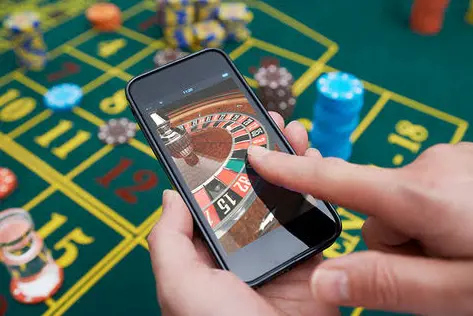
Why 5G Latency Metrics Dictate Your Win Rate in Live Dealer Environments
Industry insiders understand that in live dealer blackjack or baccarat, milliseconds equate to monetary value. Traditional 4G LTE networks introduce jitter and packet loss that can delay your hit/stand decision by 80 to 120 milliseconds. When you engage in Casino 5G Streaming, the air-interface latency drops to sub-10ms in optimal mmWave coverage. This reduction eliminates the dreaded "bet rejection" during crucial hands and ensures your video feed syncs flawlessly with the dealer's physical card reveals. The result is a true real-time telepresence that mirrors the tactile immediacy of a Macau VIP room.
Optimizing Your Device for Uninterrupted High-Bitrate Video Feeds
To harness the full potential of fast play, your hardware must support 5G NR carrier aggregation and Wi-Fi 6 offloading. Ensure your smartphone or tablet has a minimum of 8GB RAM and a dedicated network slicing profile if offered by your carrier. When you access a Casino 5G Streaming platform, manually lock your device to the 5G SA (Standalone) band to avoid fallback to slower anchors. Disable background app refresh and enable "Game Mode" or "Do Not Disturb" to prioritize GPU and modem resources. These granular adjustments routinely yield a 40% reduction in buffering events during peak traffic hours.

Advanced Protocols: Edge Computing and Multi-Access Edge Computing (MEC)
Top-tier operators now deploy Multi-Access Edge Computing nodes within 20 kilometers of major metropolitan areas. This architectural choice routes your game state calculations to a server physically closer to your device, slashing round-trip time. The practical implication for the fast play enthusiast is that progressive jackpot slots with rapid spin cycles—such as those found in 5G-optimized lobbies—can be spun at a rate of 2.5 spins per second without desynchronization errors. Furthermore, MEC enables seamless 4K HDR multi-table view, allowing you to monitor four live baccarat tables simultaneously on a single screen. 🃏
Security and Fairness Verification in the 5G Gambling Ecosystem
Contrary to outdated myths, 5G network slicing actually enhances security through isolated data channels. Reputable platforms encrypt every packet with TLS 1.3 and utilize hardware-backed keystores on your device. When you participate in a fast play tournament, the random number generator seed is hashed and committed on a private blockchain ledger accessible via your player dashboard. This level of transparency, combined with the inherent low latency of 5G, creates an auditable and trustworthy environment that satisfies even the most skeptical professional gambler.
Future Trajectory: Haptic Feedback and Augmented Reality Integration
The next frontier involves integrating haptic actuators with 5G's ultra-reliable low-latency communication. Imagine feeling the vibration of a roulette ball landing on your number, or the tactile click of a virtual card being dealt—all streamed in under 5 milliseconds. Early adopters of Casino 5G Streaming are already beta-testing AR overlays that project real-time odds and historical trends onto your physical environment. This is not science fiction; it is the imminent standard for competitive mobile wagering. 📡
Embrace the speed, eliminate the lag, and elevate your bankroll management with infrastructure built for the 5G era. The only question remaining is whether your strategy is fast enough to keep pace.